The Contrary believes that ideas of Beauty are complex, varied, and rich; the editorial landscape should reflect this. We celebrate personal, honest stories and the passionate individuals behind them.

The Opportunity
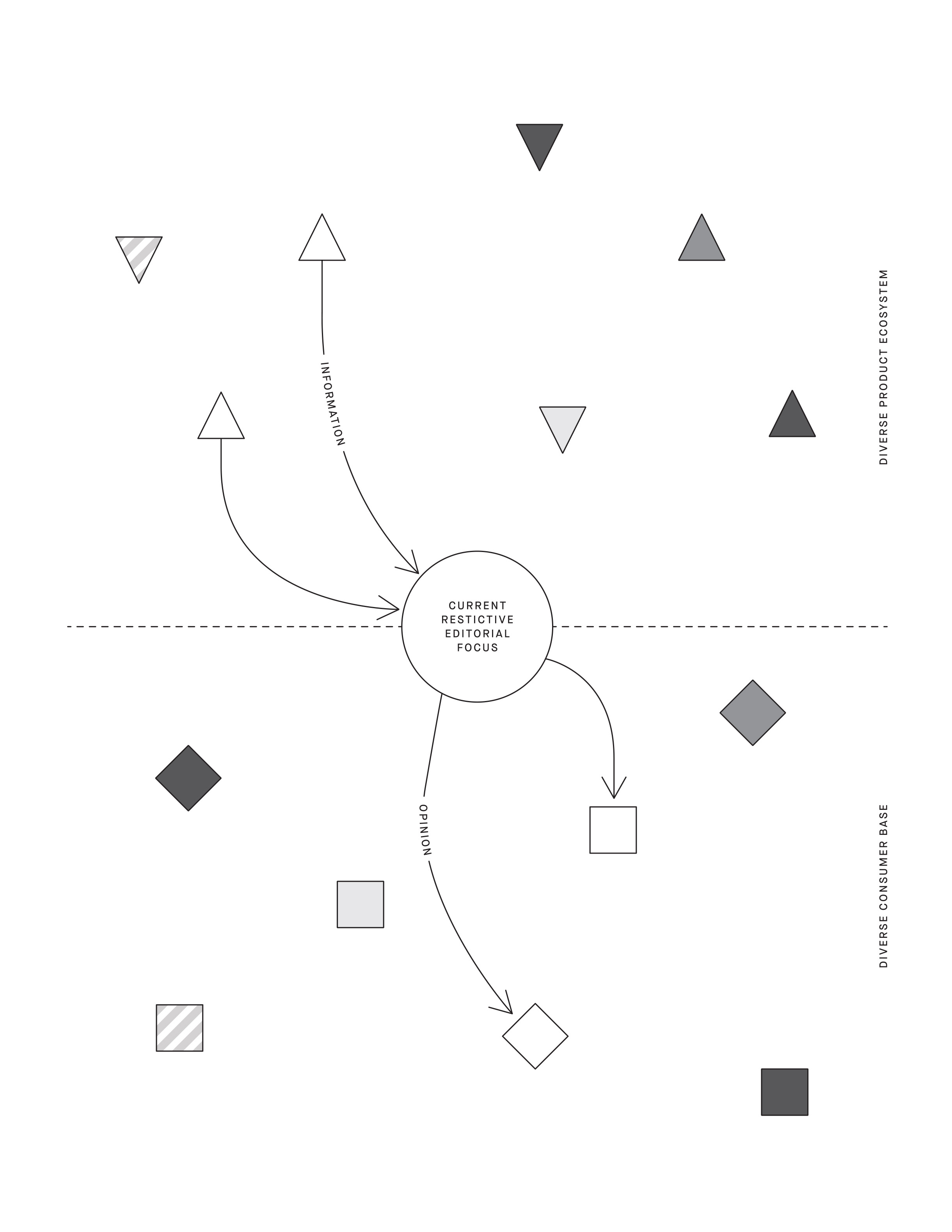
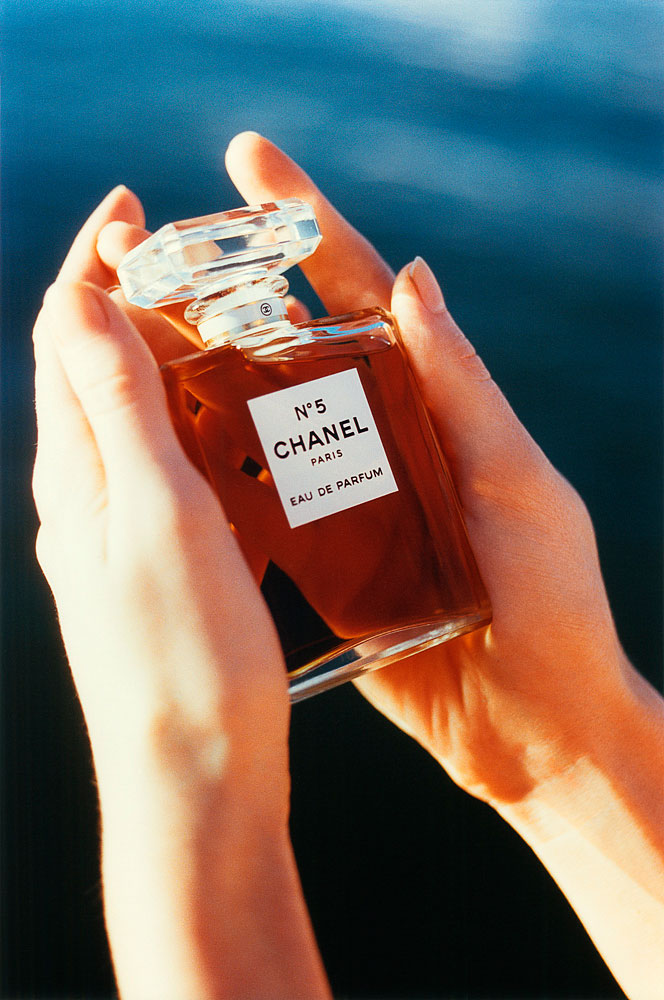 The Beauty industry delivers a multitude of products taking everything from skin color to hair texture into account. Fashion, its sister industry, also produces a wide variety of products, but contrasts by supporting a diverse consumer discussion within an ecosystem of editorial channels. Beauty consumers are equally participatory and while the platforms for these conversations exist, they have not grown to include the majority of modern, connected consumers. The resulting product-consumer discussion is limited to a narrow editorial landscape at the expense of natural diversity. This creates opportunity for social and economic growth.
(1.0) THE REVENUE OF THE U.S. COSMETIC INDUSTRY IS ESTIMATED TO GROW TO $62.46 BILLION IN 2016.
(1.1) ASIAN AMERICANS (ESPECIALLY IN WOMEN’S FRAGRANCE AND SKIN CARE) ($7.5 BILLION ANNUALLY ON BEAUTY PRODUCTS AND SPENT 80% MORE ON COSMETICS AND SKIN-CARE PRODUCTS THAN THE GENERAL MARKET IN 2013), LATINOS AND AFRICAN AMERICANS SPEND MORE MONEY ON BEAUTY PRODUCTS THAN AVERAGE.
(1.2) MILLENNIAL WOMEN BETWEEN THE AGES OF 25 AND 34 PURCHASE THE MOST COSMETIC PRODUCTS.
Products Discussed

 Independent of this, the communication channels between editorial voices and consumers are another opportunity to differentiate in the market. The current audience responds when platforms receive even mediocre improvements and vocalizes their preference for content that is well structured and easily navigated. Other industries have reacted to these universal consumer needs but Beauty has yet to develop beyond its style blog roots.
Existing Editorial Discussion
(1.3) Millennials are the most diverse generation in US history with a 57% White & 43% Non-white composition.
(1.4) Millennials (those aged between 18 – 33) are the most diverse generation in US history with a57% White / 43% Non-white mix.
(1.5) 95% Product reviews on intothegloss.com illustrated on white models and/or no mention of POC / 5% Product reviews illustrated on or directly addressing the needs of POC.
The Product
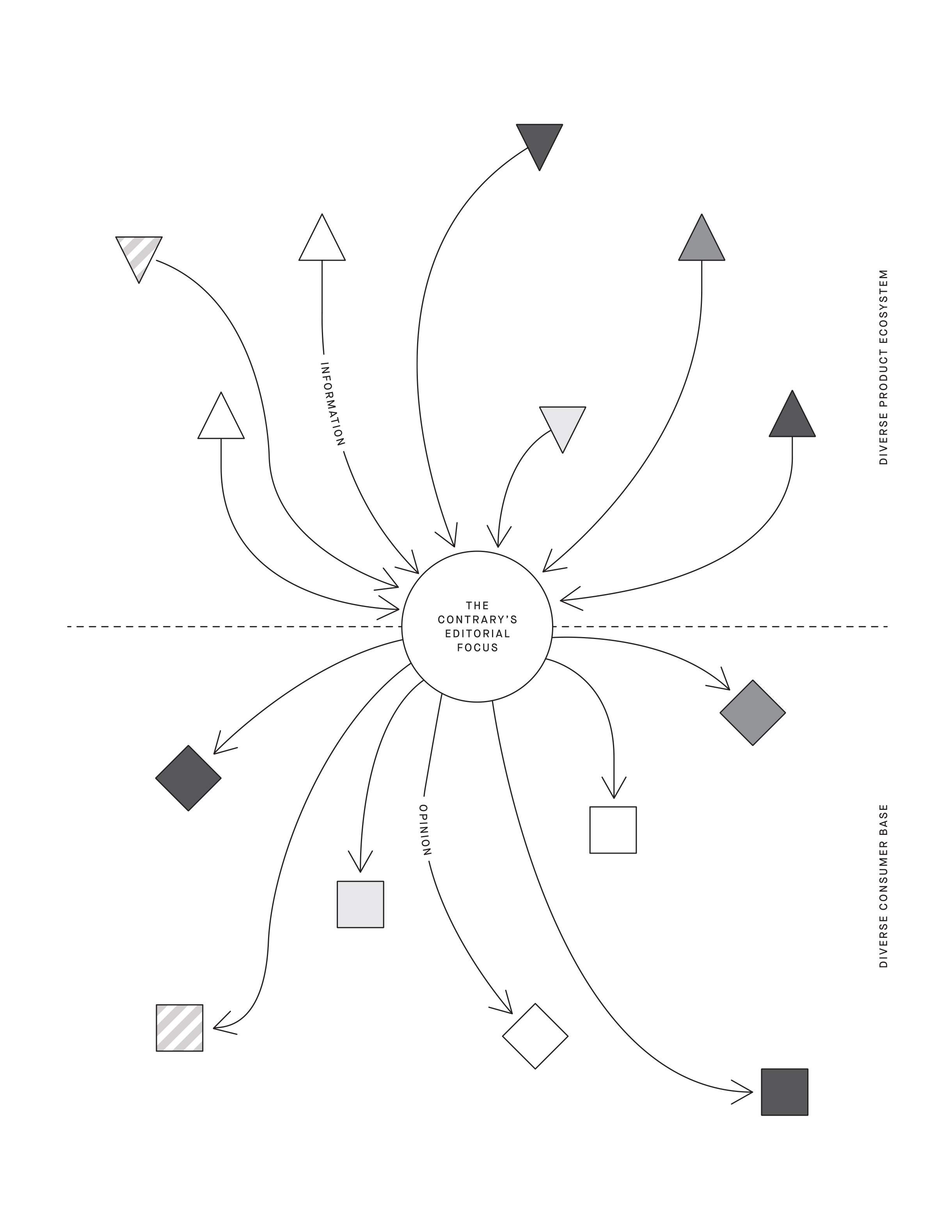
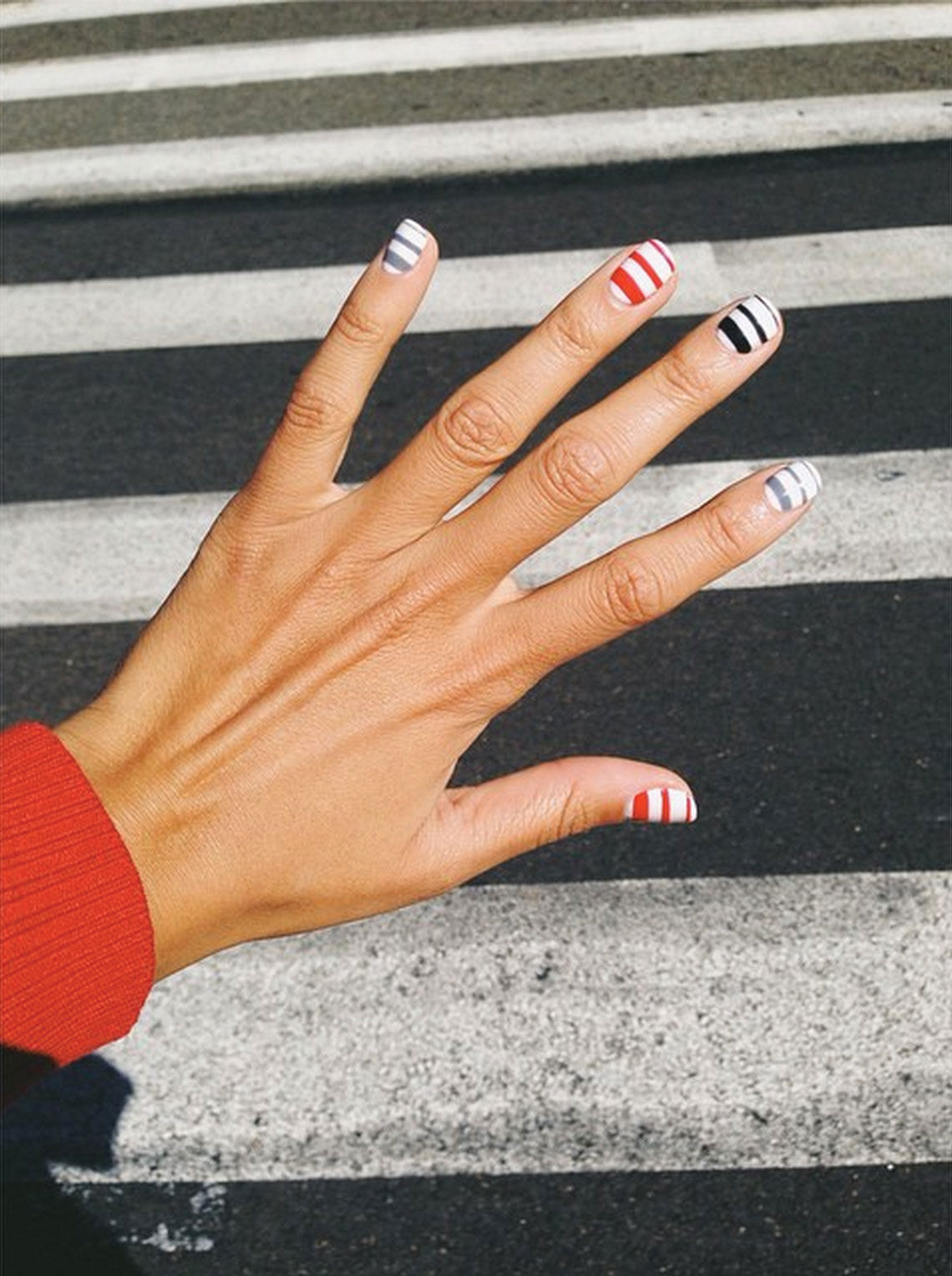 The Contrary is a Beauty publication that speaks to all audiences, delivered both digitally and in print. We will connect consumers with brands by sharing personal, honest stories that are documented and produced with intention and quality for a compelling experience. Our digital platform, Continual, will be designed to deliver current, relevant content and encourage product sales through simple interaction. Our complimenting print platform, Biannual, will showcase timeless branded content that further legitimizes The Contrary brand as a unique editorial voice in Beauty.
We’ve honed our product concepts and methods of monetization, but putting them into action will take a team. We’re looking for a $250k seed investment for a 20% stake in the company, with which we’ll immediately begin building our platforms and producing content. After launching, we’ll raise an additional $400k in Series A funding for 20% to finance our initial year of operation.
We’ve identified the market gap by listening to consumers and conceptualized a meaningful product to address it – we’d love your help to make it happen.
The Contrary’s Editorial Scope
(2.0) 61% of female social media users credit a ‘Familiar Blog/Blogger’ as their most trusted resource for product advice.
(2.1) 30 percent of cosmetics buyers say that social media is very important in making their purchasing decisions. Cosmetic blogs and YouTube were the most popular resources.
The Editorial
Our Founder and Editor-in-Chief, Jazzi McGilbert, has a long and established history in Fashion and Beauty. She was the youngest contributor to appear on Teen Vogue’s masthead at age 14, worked through college as a Sephora product advisor, progressed to Vogue, where she was the lone woman of color in the West Coast office, and ultimately, lent her unique editorial voice to NYLON Magazine as their Digital Editor.
She felt a restriction to publish pieces primarily  relevant to the white audience throughout these positions, and in response, launched the successful independent fashion and lifestyle blog Jazzi McG. Unbound, she took risks and learned firsthand that audiences connect best through personal stories when a post about soap received incredible reader engagement and response.
 Jazzi has been inspired by the successes and informed by the failures of the industry she loves. This combination of passion, experience, perspective, and [background] have fostered her unparalleled insight into the underserved majority audience and demand for Beauty information as both a user and editor.
Now, with The Contrary, Jazzi will develop this perspective further, aiming to humanize shifting ideas of beauty. We will explore this concept by discussing products, trends, and attitudes to contextualize beauty’s significance as self-care, self-love, self-exploration, self-defense, and ritual self-expression.
The Strategy
To sustainably publish high-quality content, we’re defining a visual language and format for each of our content types. The resulting work’s quality will stand out in the market across both platforms, consistently expressing our brand values.
This formatting also addresses Beauty’s paradigm of continuous stylistic change. The industry norm is visually non-committal. Instead, our aesthetic decisions will be informed by another level of structure that distinguishes between what’s presented and how it’s presented.  For example, by selecting a product shot background for contrast and scale, we can produce a functionally consistent asset that’s recognizably on-brand while still changing looks.
This unification of style, structure, and delivery will set a precedent in Beauty for content consumability.
(3.0) “Overall, because branding is about creating and sustaining trust it means delivering on promises. The best and most successful brands are completely coherent. Every aspect of what they do and what they are reinforces everything else.” – Wally Olins
This unification of style, structure, and delivery will set a precedent in Beauty for content consumability.
The Platforms
 The Biannual magazine will showcase our highest produced work, primarily comprised of visual and written essays, longform op-eds, interviews, and stories created by artists, photographers, writers and journalists. This is less reflective of trends, instead presenting the more emotive values and voices of The Contrary. As reflected in the recent boom of boutique publications (Kinfolk, Apartmento, The Gourmand, et al.), this format’s value is its commitment to high-quality production and celebration of beliefs. This approach is unexplored in our industry and will commemorate The Contrary’s belief in honest beauty with longevity in a tactile and meaningful way.
(4.0) Kinfolk, a leader of the movement, has grown from a first run of a few hundred copies in 2011 to its current circulation of 75,000, with issues now translated into Chinese, Japanese, Korean, and Russian.
 The Continual site will serve as hub of the brand, delivering our regular, quickly digestible content. It’s comprised of product showcases and reviews, short form op-eds, and interviews created by a small permanent staff, a team of contributors, and guests. The platform’s design will respond to industry leaders by delivering effortless product discovery, interrelating content, and illustrating personal stories, while its build will stem from Tech’s methodologies by prioritizing user experience through mobile-first design and progressively enhanced functionality. The coordination of these phases will establish a rich platform that fosters a diverse discussion, delivered without noise, conflict, or duplication.
(4.1) 14.4% more customers on average are willing to purchase from a company that provides [a] superior experience versus a company that provides a poor customer experience.
(4.2) Design driven companies (those that place user experience and interaction as a high priority, have) outperformed the s&p over ten years by 228%.
The Business
 Our business model, like our content strategy, values engagement. The way people consume content has been changing and will continue to, but the value of that content has not: users want information that’s meaningful to them and brands want users that identify with their products. Though these are on seemingly opposite ends of a spectrum, we see that they are both seeking kinds of relevance. Establishing an ecosystem around that theme will create a sustainable and integral position for our publication.
Content to Consumer
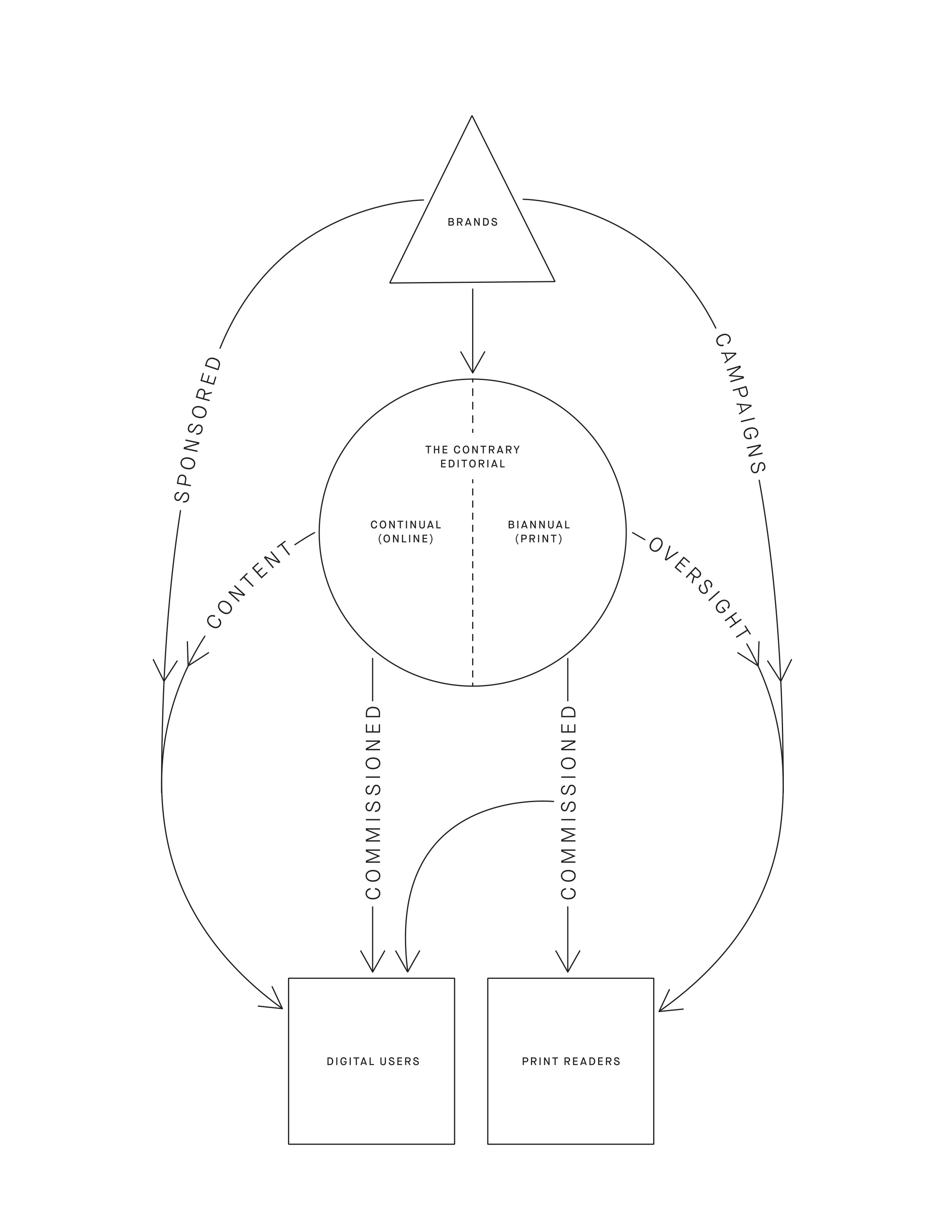
In this sense, The Contrary’s business becomes contextualizing advertiser’s messages and products into user’s lifestyles and conversely, translating brands into relatable formats for higher consumption by the users. This prioritization of relevance gives purpose to our belief that communication should be uninterrupted, thoughtful, and honest, which in turn requires the quality content we want to produce. As we raise this bar of brand-consumer connection, The Contrary is further distinguished and made indispensable. This positioning also streamlines monetization into a single type of transaction where relevance is the commodity, allowing us to specialize products across platforms into multiple, non-competing streams without treading into line extension.
(5.0) “Publishers don’t really have an exclusive on anything anymore…By removing friction it removes the need for folks in the middle, and the result is that value will flow to the edges. In the case of publishing that is aggregators on one side, and focused, responsive, and differentiated writers and publications on the other.” – Ben Thompson
Continual has three of these revenue streams: ads, subscriptions, and product referrals. These aren’t new to the industry, but there is innovation in their combination.
Product Referrals are accrued through integration of affiliate programs and as we’ve defined, a strategic tenant of our content and design is for products to be accessed easily. Generating a basic link through one of these affiliates, such as RewardStyle or Amazon, and attaching it to the products can net upwards of $50k/mo in passive income with a minimal change in workflow. This alone is enough to fund The Contrary in full.
Revenue Streams
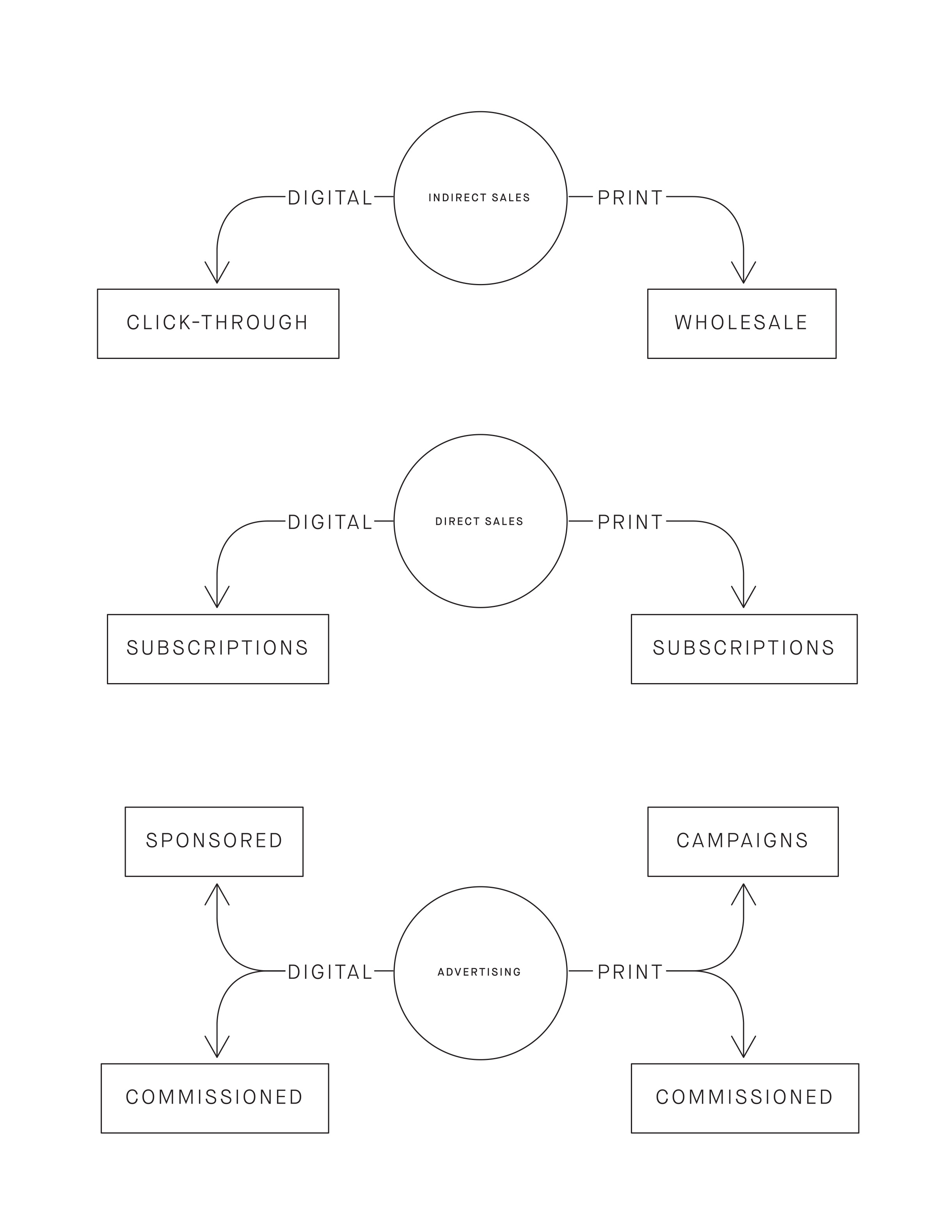
Subscriptions are a direct-to-user product of additional content for monthly support. This is uncommon in Fashion and Beauty, however, independent authors in other fields sustain themselves through this model with a highly engaged audience. We don’t intend this to represent a large portion of our income, but its inclusion cultivates the pride of users in supporting businesses that they believe in. NPR is a great example of this.
(5.1) For the last few years there have been weekly laments complaining that the banner ad is dead. Click-through rates are now averaging less than 0.1% TIME.
Last and most obvious is advertising, which represents the primary source of income for most Beauty publications. Initial implementations of digital advertising were restrained by browser’s technical limitations. As their capability expanded, advertisers sought to distinguish advertisements from surrounding content through new formats and placements. These evolutions introduced much of what we see today, most notorious of which are banner ads. In response to the increasingly disrupted content, users learned to tune them out, and later remove them completely, through tools like Ad Block. With this in mind, we’ve turned to a traditional method long established as the leader in other industries: format-native advertising.
 Until DVRs, television commercials were an unavoidable part of your favorite programming, part of a social contract that trades some of your time for entertainment. Despite our ability to fast forward, this market has remained the largest ad-spend in the world: a testament to the return on investment of its advertising techniques. We’ll start with this technique of ads matching the content’s format and take it further by splitting into two products for differing levels of depth. Sponsorships will attach a brand’s name to our content for associated recognition, much like “Brought to You By” ads. Commissions will be akin to product placements within programming, where high-tier pieces are created around the brand’s concept or product and translated our editorial voice for an immersive user experience around their message.
(5.2) Someone looking at the page for 20 seconds while an ad is there is 20-30% more likely to recall that ad afterwards.
Biannual is similar to Continual, but with two parallel streams: sales and ads. Sales are straightforward, broken into the purchase methods of direct, wholesale, and subscription. We’ll encourage subscriptions over the other options for continuous income by offering early delivery, digital copies, and additional content.
Ad sales in print will be similar to digital. The majority of space available for purchase falls into the commissioned method outlined above. The remaining space is for traditional print campaigns. Though these can seem contradictory 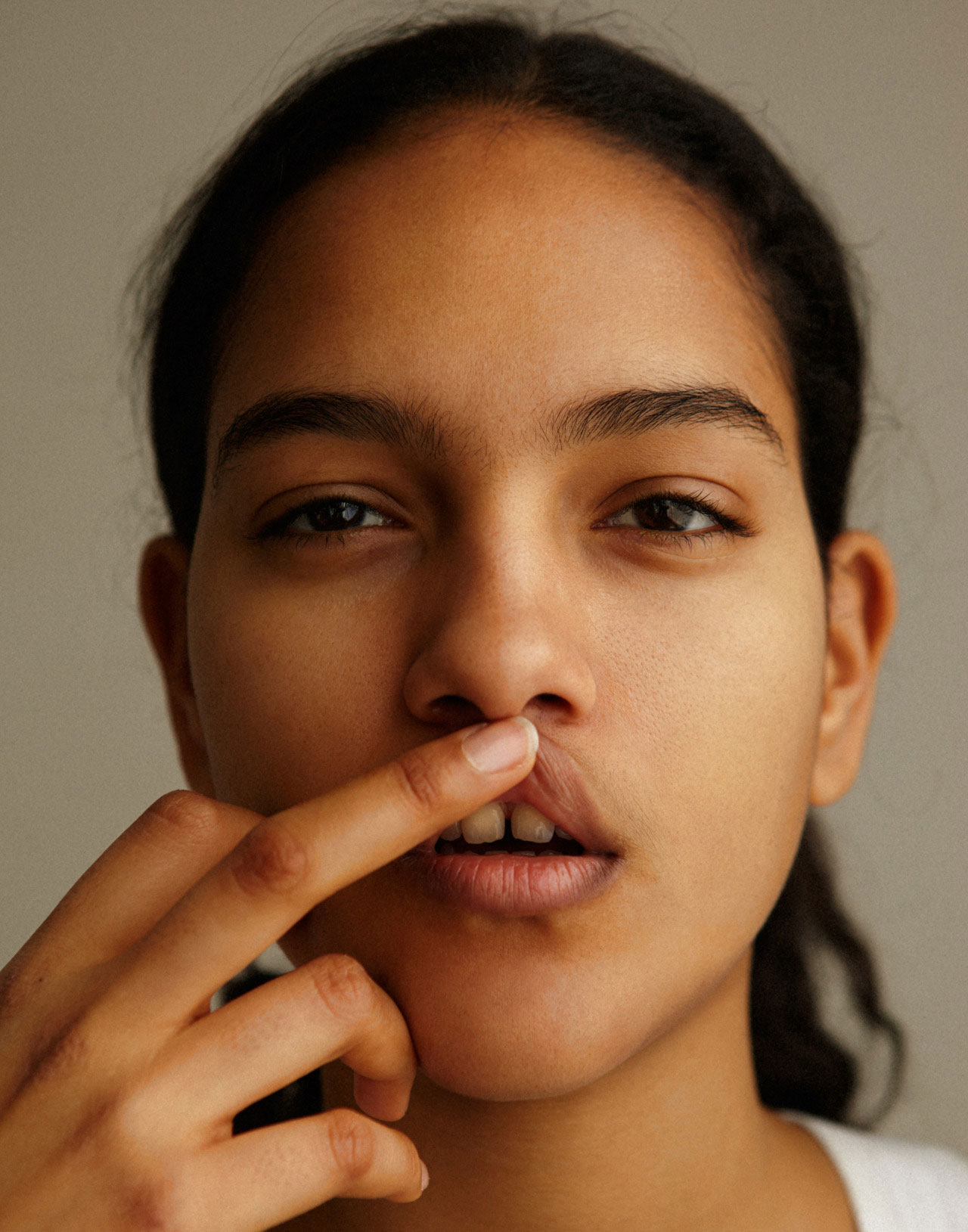 to our other strategies, we argue there is value in high-end editorial content for both us and the purchaser. The inclusion of traditional print campaigns raises The Contrary’s industry profile and offers ‘aspirational content’ beyond our production ability.
This cross-platform product strategy is multi-faceted but remains focused on sustaining The Contrary as an ongoing concern. Each stream of revenue represents an independent and viable income that’s built on our combination of relevance and accessibility.
The Ask / Close
Inspiration for The Contrary was born from conversations with friends, family, and colleagues, in barbershops and comment threads, and in frustrations with the status quo expressed by the industry and consumers alike. Combining our perspective and content strategy, delivering on robust platforms, and supporting it all with a cross-industry inspired business model, we can set a precedent in Beauty for audience engagement and start a thriving business. We would love your support bringing this to life.
Combining our perspective and content strategy, delivering on robust platforms, and supporting it with a cross-industry inspired business model, we can set a precedent for audience engagement within Beauty and start a thriving business. We would love your support bringing this to life.

- (1.0)http://www.statista.com/topics/1008/cosmetics-industry/
- (1.1)http://www.latimes.com/fashion/la-ig-doobop-20140518-story.html#page=1
- (1.2)http://www.tabsgroup.com/articles/tabs-group-releases-results-2014-beauty-consumer-insights-study/
- (1.3)http://www.pewsocialtrends.org/2014/03/07/millennials-in-adulthood/#racial-diversity
- (1.4)http://www.pewsocialtrends.org/2014/03/07/millennials-in-adulthood/#racial-diversity
- (1.5)survey of 705 product reviews
- (2.0)http://www.statista.com/statistics/226891/most-popular-sources-for-online-beauty-products-advice-in-us/
- (2.1)http://www.tabsgroup.com/articles/tabs-group-releases-results-2014-beauty-consumer-insights-study/
- (3.0)http://www.latimes.com/fashion/la-ig-doobop-20140518-story.html#page=1
- (4.0)http://www.vogue.com/1856125/indie-magazine-independent-bookstore-explosion/
- (4.1)http://www.slideshare.net/leofrish/exceeding-user-expectations-final
- (4.2)http://www.slideshare.net/webbit/harnessing-the-value-of-ux
- (5.0)http://stratechery.com/2014/publishers-smiling-curve/
- (5.1, 5.2)http://time.com/12933/what-you-think-you-know-about-the-web-is-wrong/